Vijay Parth Yadav
VIJAY PARTH AI IMAGE PRODUCTION / PORTFOLIO 2026 PROJECT 01

PROJECT 01 / FURNITURE IMAGE STUDY

Reference.
Refine. Reframe.

  • Image direction & reference control
  • Targeted edits & product integration
  • ChatGPT Images · Vijay Parth
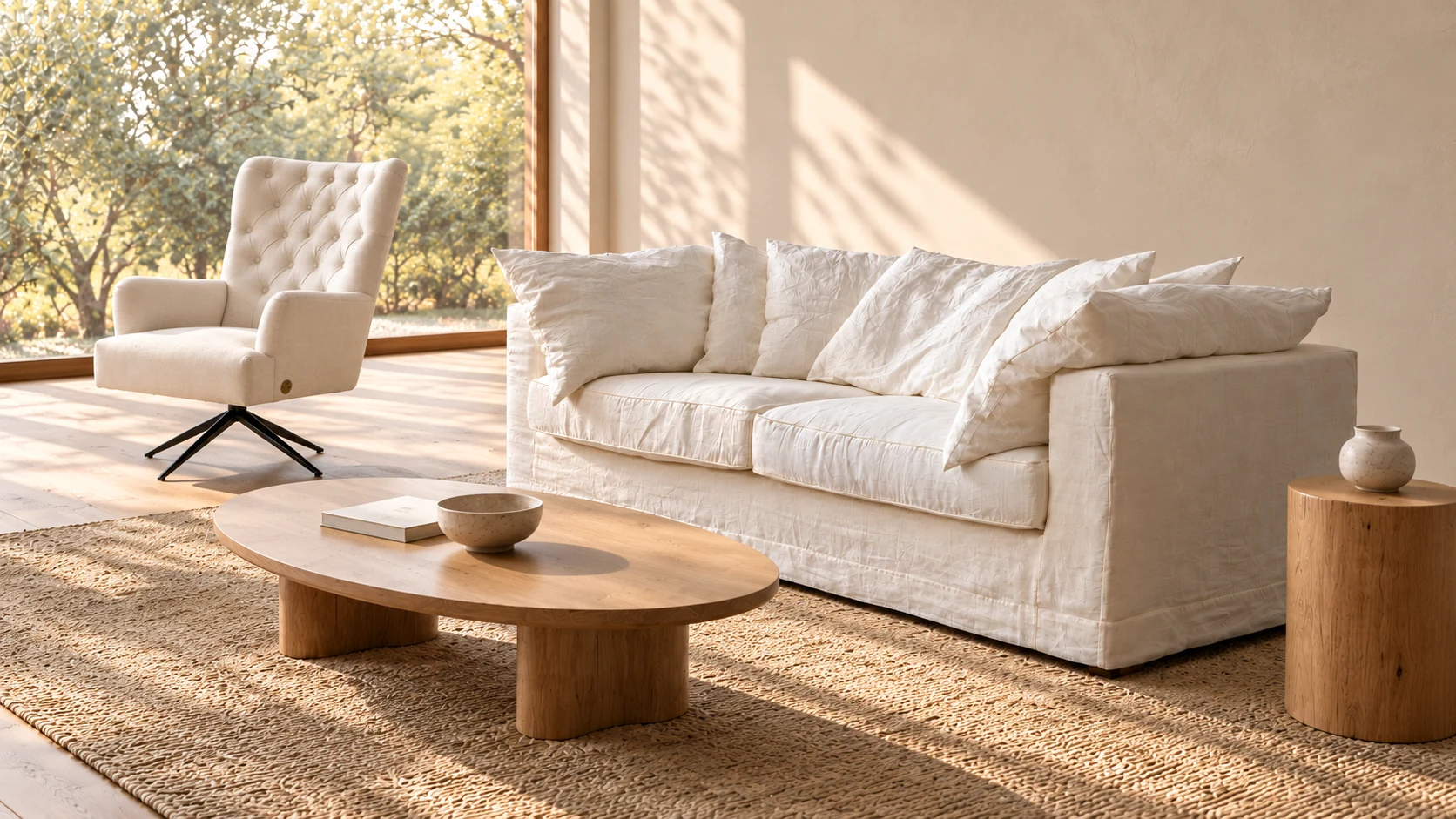
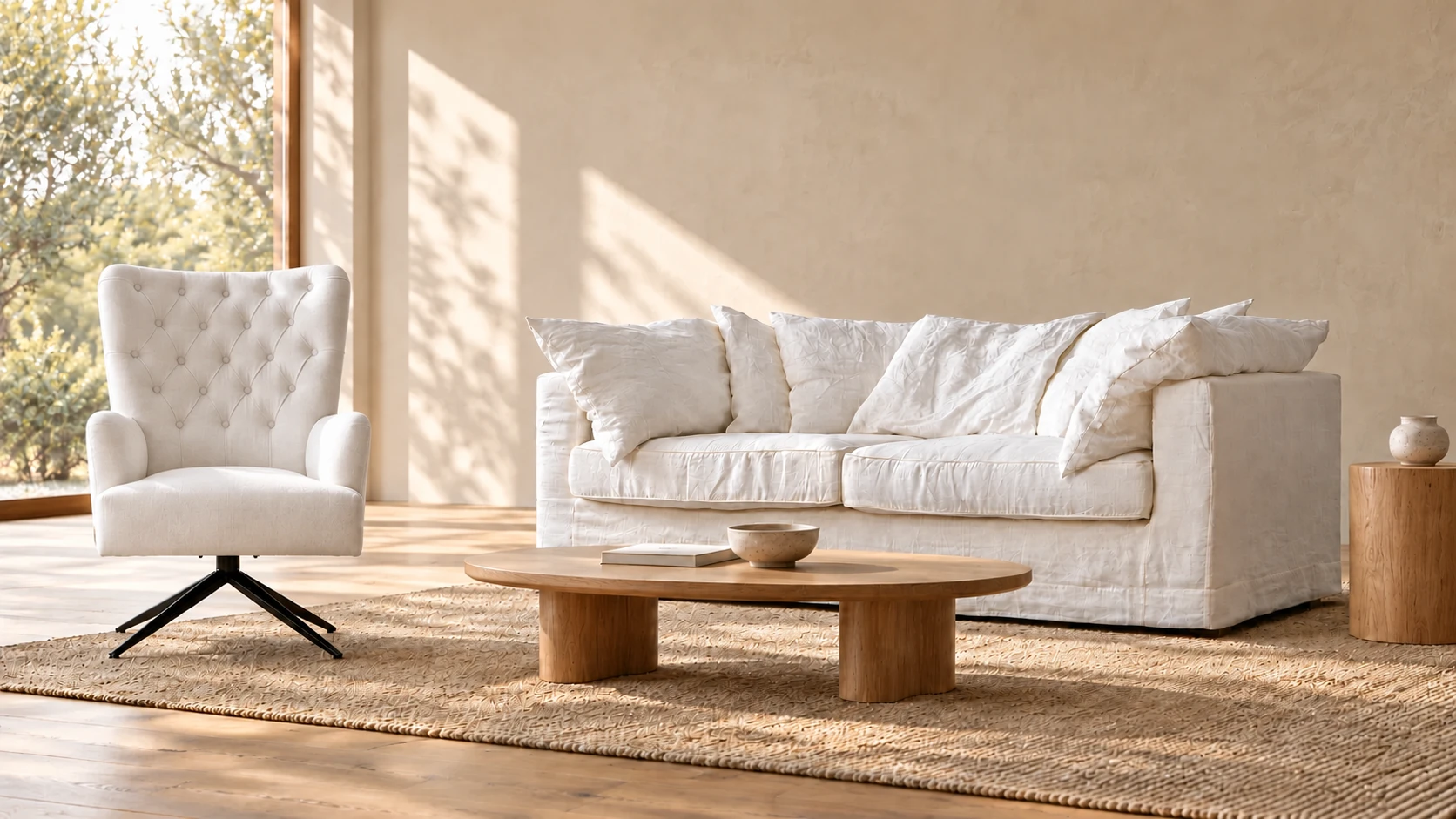
THE MASTER SCENE / Two supplied products, one generated setting.
01 / SOURCES

Source references

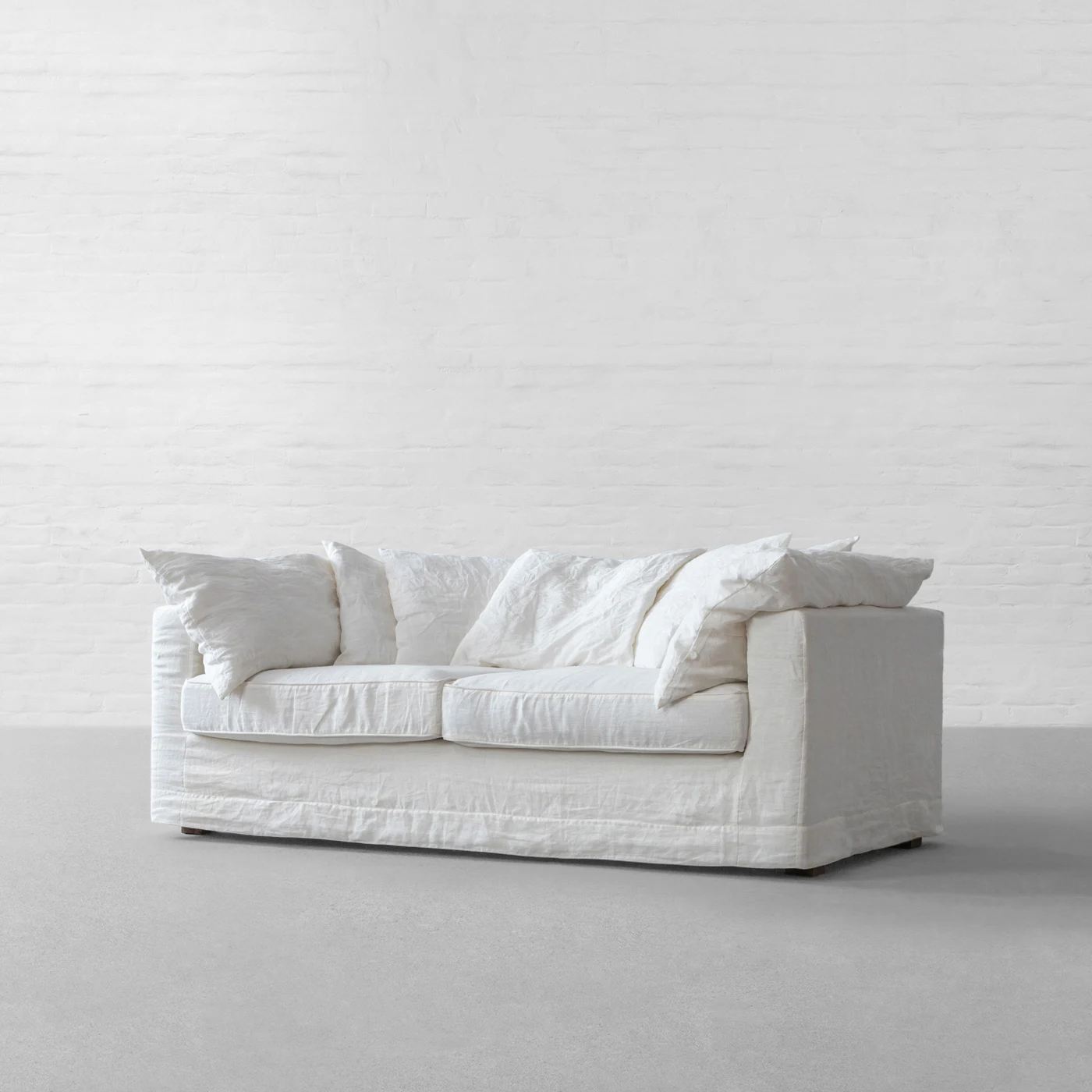
Sofa

Form · Construction · Fabric

A / Main reference
B / Structure
C / Material detail

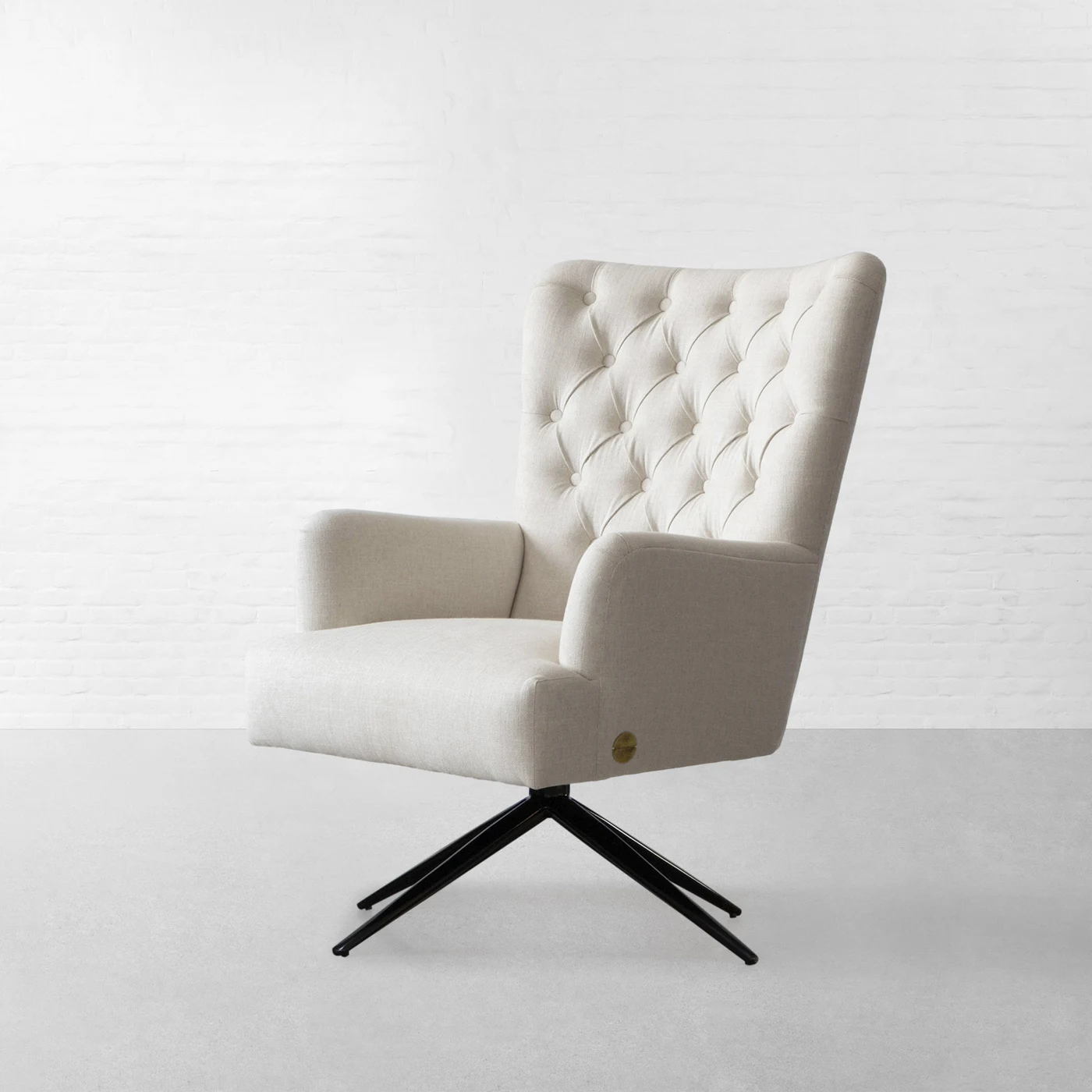
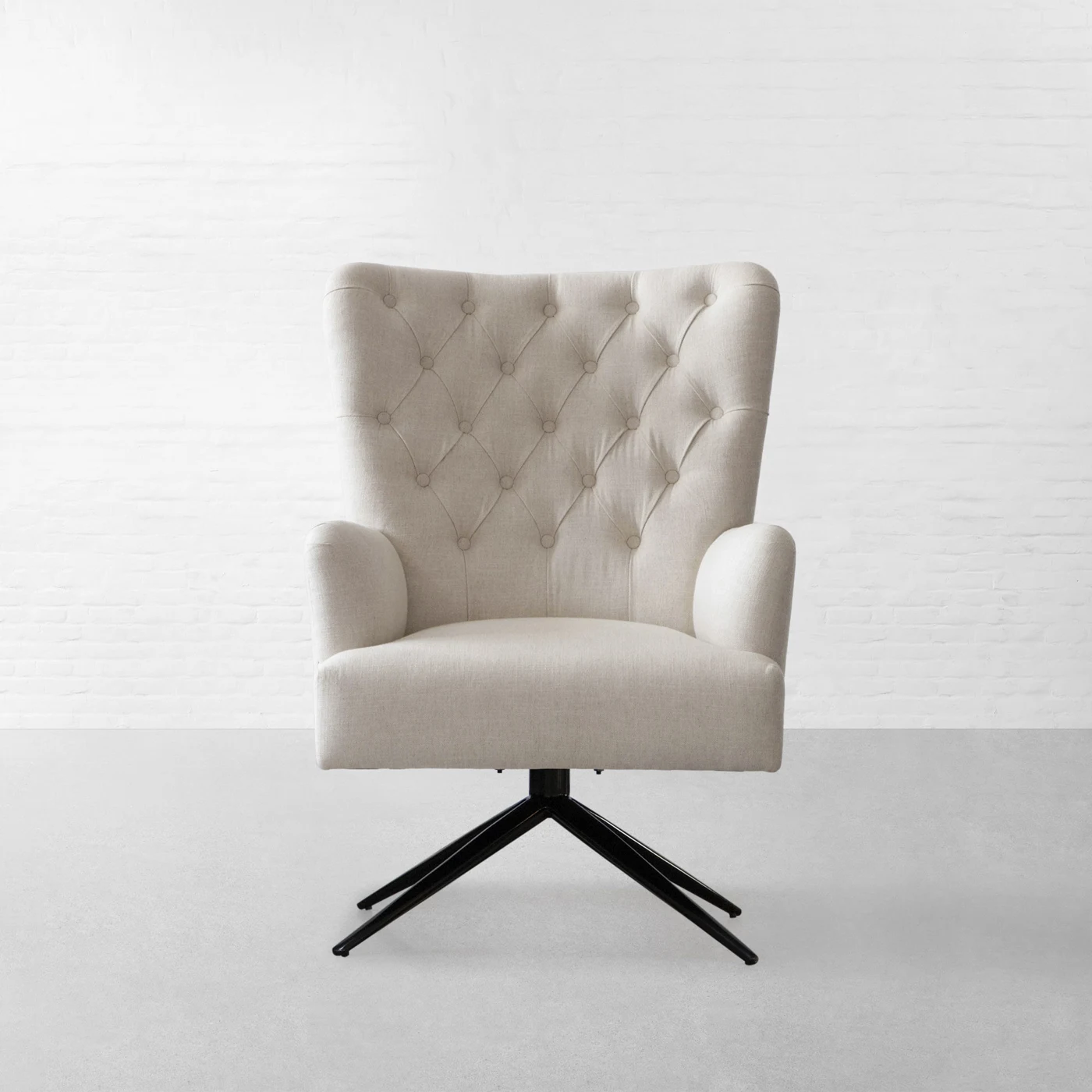
Chair

Form · Construction · Fabric

D / Main reference
E / Pose reference
F / Construction detail
All 14 source photographs +
SOFA / 1
SOFA / 2
SOFA / 3
SOFA / 4
SOFA / 5
SOFA / 6
SOFA / 7
CHAIR / 1
CHAIR / 2
CHAIR / 3
CHAIR / 4
CHAIR / 5
CHAIR / 6
CHAIR / 7
Source and reference credits +
Material Origin / attribution Use in this study
Sofa photographs (7) User-supplied SOFA.rar. Brand, model, original URL and photographer were not included in the available metadata. Product shape, upholstery and construction references.
Chair photographs (7) User-supplied Chair.rar. Brand, model, original URL and photographer were not included in the available metadata. Product shape, pose, tufting and base references.
N–CT01 reference Karimoku Case / Norm Architects ↗ Supporting-table construction. Reference image credited to the source website.
Laccio reference Knoll / Marcel Breuer ↗ Supporting-table geometry. Reference image credited to the source website.
Acacius reference Arhaus ↗ Written material reference only; no source photograph reproduced.
Scene outputs Generated and iteratively edited with ChatGPT Images for this independent study. Image direction, comparison and selection. No brand commission implied.

Original sofa/chair brands and photo credits remain unverified. Research links checked 23 October 2026.
02 / RENDERS

From source to scene

After: Studio → living room After
Before: Studio → living room Before
Studio → living roomSource framing differs. Drag ↔ or use arrow keys
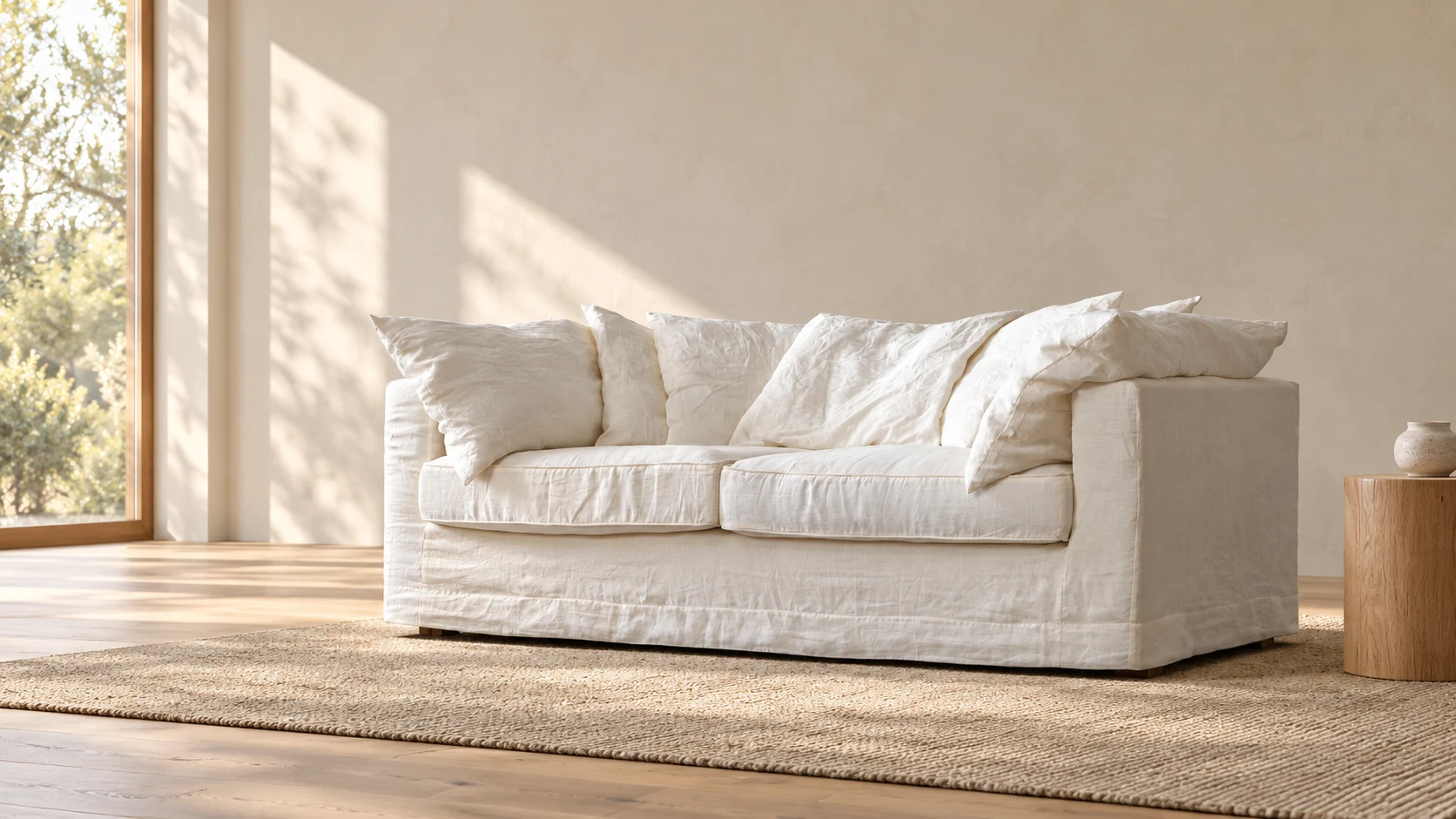
SOURCE / Weave and piping reference
OUTPUT / Material interpretation

Material check

  • Centre seam & piping
  • Fabric weave & natural folds
03 / CHANGES

Changing the viewpoint

03.1

Change the camera. Retain the sofa.

VIEWPOINT CONTROL
Front / matched to a front reference
Side / matched to a side reference
Elevated / inferred from multiple sources
  • Move the camera; keep the sofa and room fixed.
  • Use product views to guide newly visible surfaces.
  • Hidden details are inferred; this is an AI viewpoint study.
04 / MULTI-PRODUCT INTEGRATION

Two products. One scene.

Sofa input
INPUT A / Sofa
+
Chair input
INPUT B / Chair
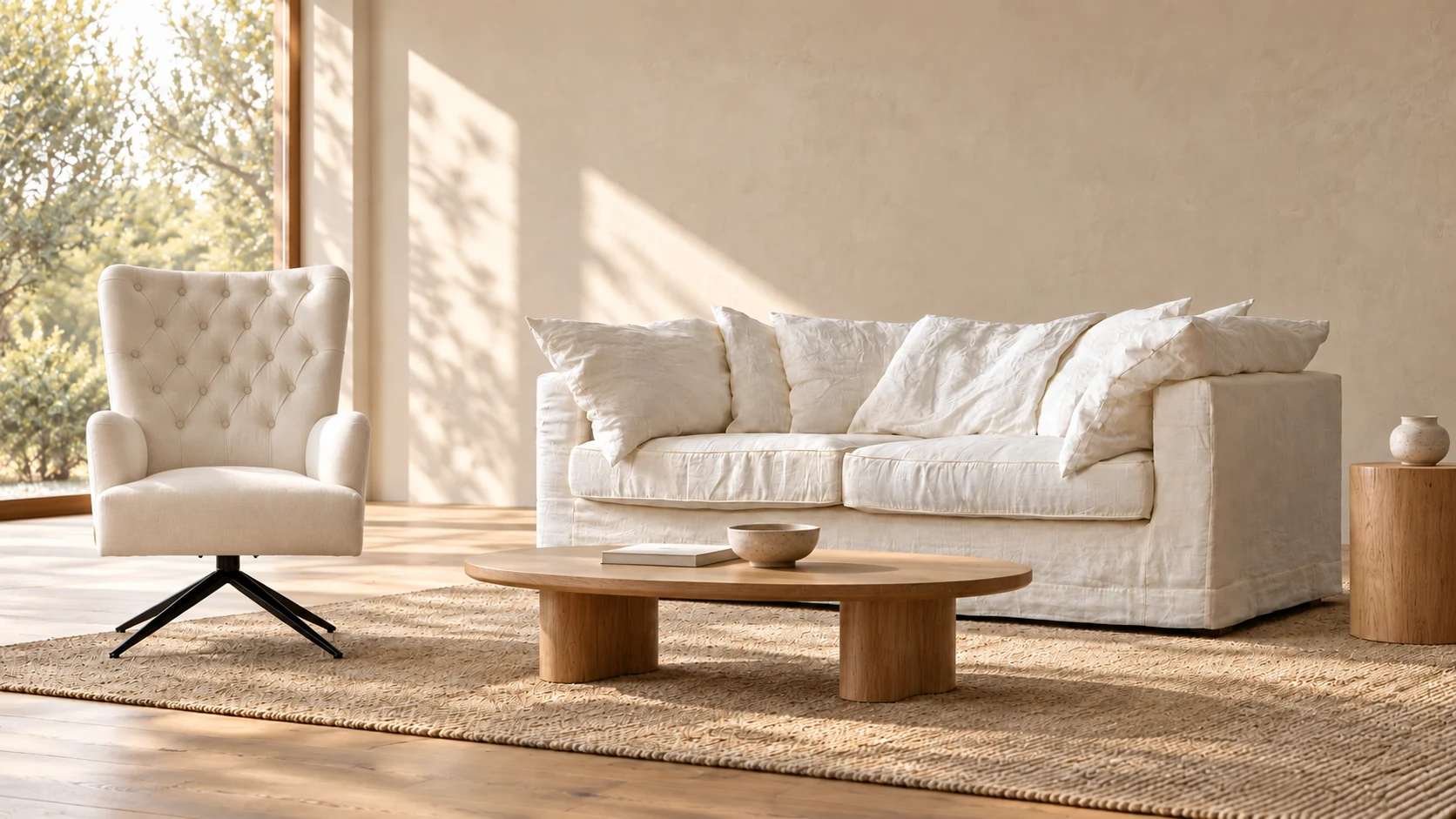
INTEGRATED OUTPUT / Before the pose correction
04.1

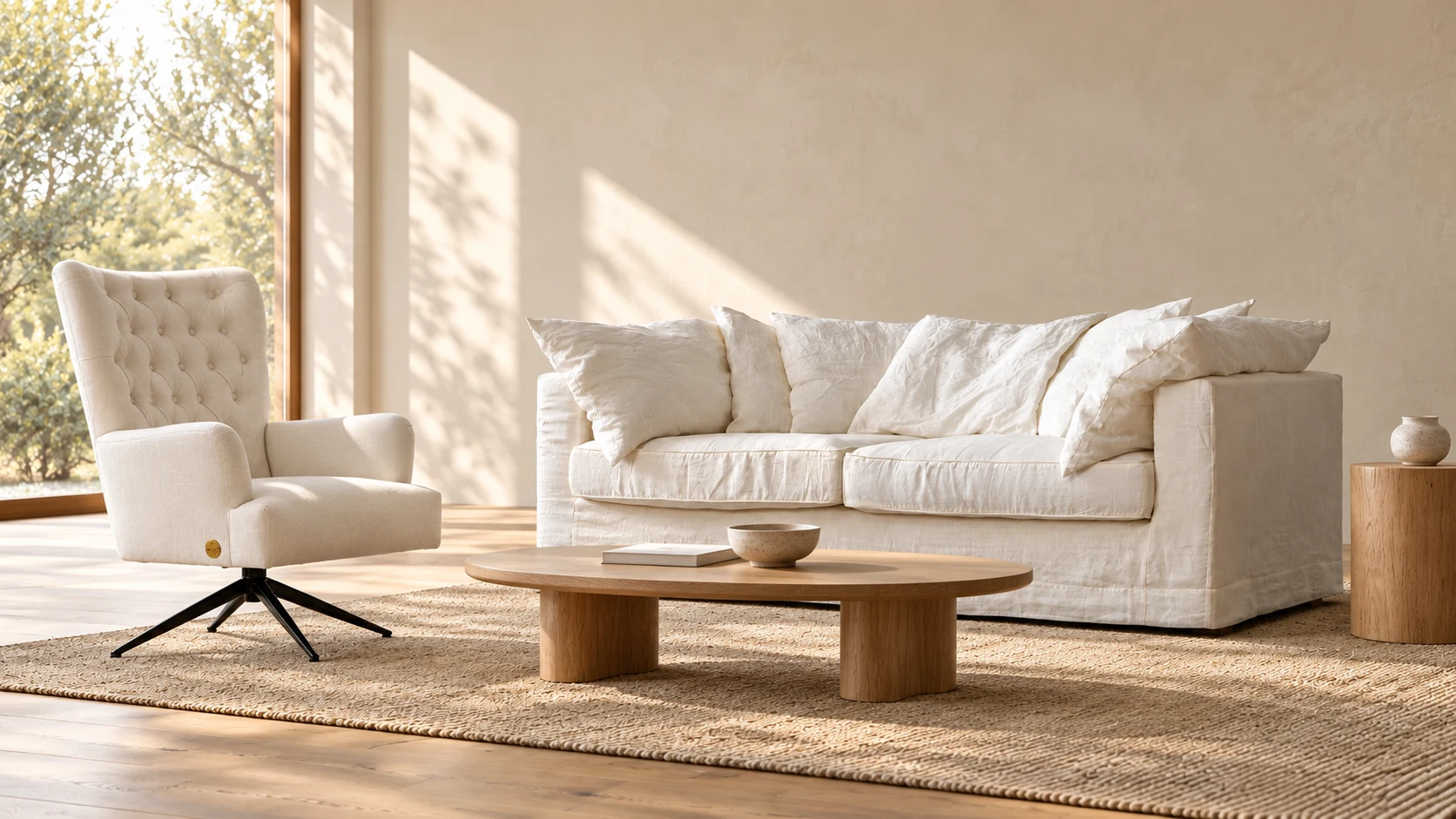
Rotate only the chair.

OBJECT POSE
After: Chair rotation After
Before: Chair rotation Before
Chair rotationRotate the chair; retain the setup. Drag ↔ or use arrow keys
Front-view reference used for chair rotation POSE REFERENCE / Original chair front
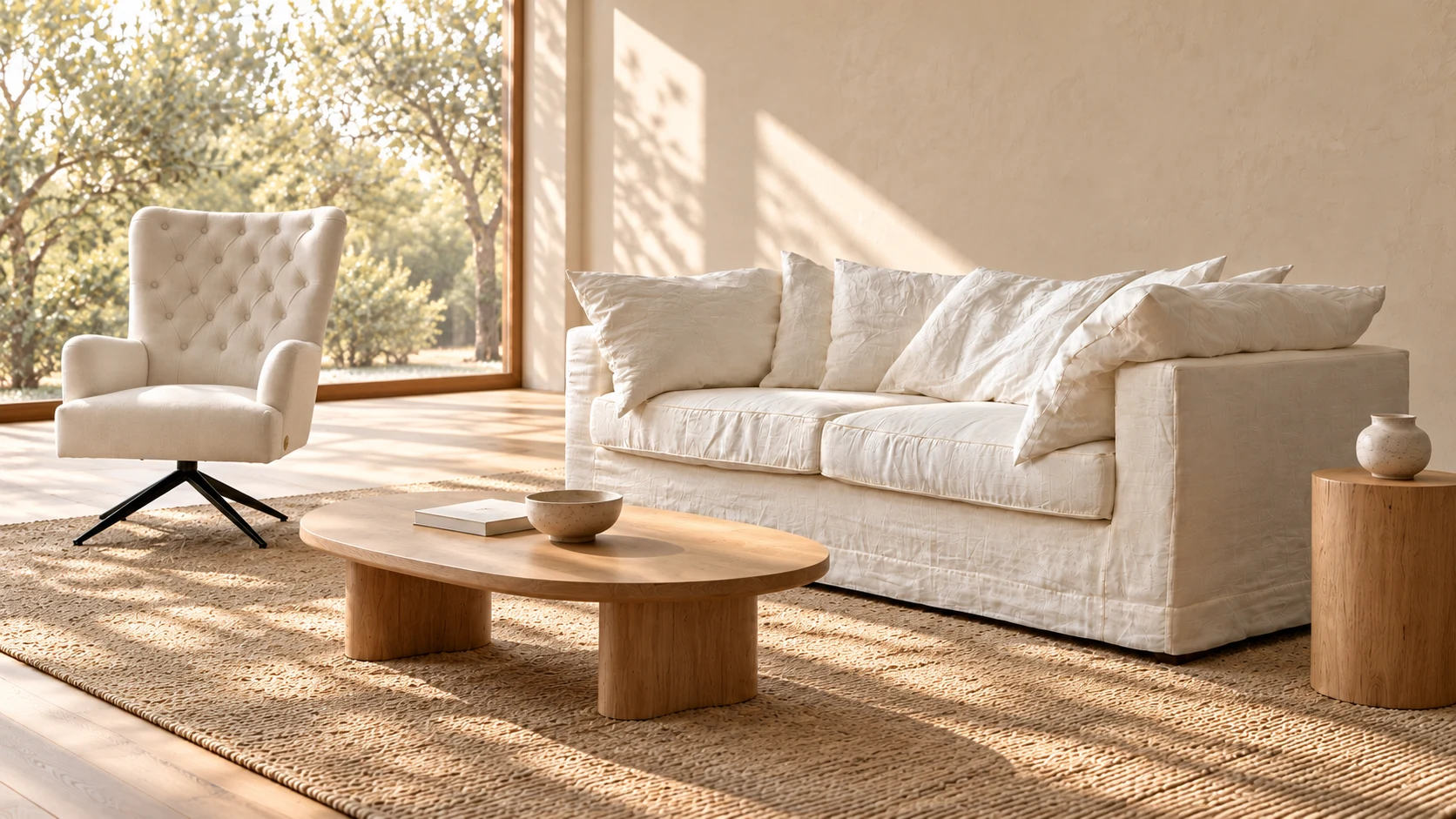
  • Problem: the chair was angled away from the camera.
  • Use the original front-view chair as the pose reference.
  • Rotate in place; preserve the room, scale and construction.
04.2

Restore the rug placement.

SPATIAL CONTINUITY
After: Rug placement After
Before: Rug placement Before
Rug placementRestore visible base contacts on the rug. Drag ↔ or use arrow keys
  • Problem: the chair drifted onto the wood floor.
  • Specify “left of the sofa, with the base on the rug.”
  • Keep its rotation fixed when the camera moves.
04.3

Check the product details.

SOURCE / OUTPUT REVIEW

01 / Two seat cushions

  • Two seats and centre split retained.
  • Source check: match source piping paths and cushion contours.
SOURCE / Seat division and piping
OUTPUT / Seat division and piping

02 / Diamond tufting

  • Diamond tufting retained.
  • Source check: match source button spacing and backrest silhouette.
SOURCE / Tufted backrest
OUTPUT / Tufted backrest

03 / Swivel base

  • Four-spoke construction retained.
  • Check junction and floor contacts.
SOURCE / Four-spoke base
OUTPUT / Four-spoke base
04.4

Neutralise the upholstery colour.

AI EDIT / COLOUR REVIEW
After: Upholstery colour After
Before: Upholstery colour Before
Upholstery colourA subtle AI colour edit. Drag ↔ or use arrow keys
After: Fabric colour close-up
After
Before: Fabric colour close-up
Before
Fabric colour close-upSame crop before and after. Drag ↔ or use arrow keys
  • Reduce the yellow cast on off-white upholstery.
  • Keep warm daylight and natural fabric texture.
  • AI colour pass: inspect weave and seams at 100% during source comparison.
Finishing prompt +

Reduce the yellow/beige cast slightly on the sofa and chair so the fabric reads as neutral off-white in the highlights. Keep warmer reflected light in shadow. Preserve camera, framing, objects, fabric texture, wrinkles, tufting, cushion count, skirt and base. Do not redesign, move objects or change exposure globally.
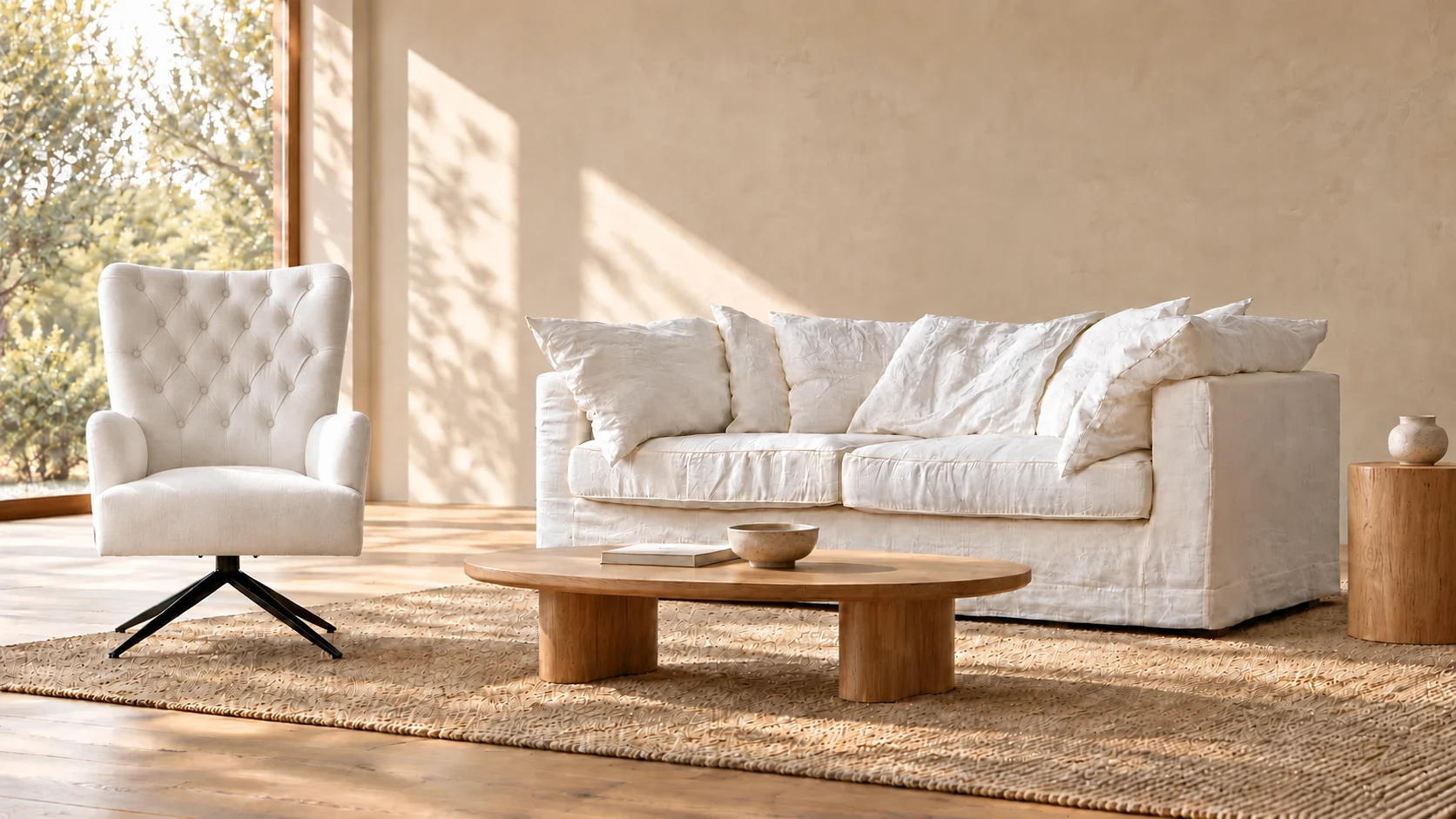
Download colour-finished PNG ↓
04.5

Refine the chair construction.

TARGETED PRODUCT EDIT
After: Chair-detail refinement After
Before: Chair-detail refinement Before
Chair-detail refinementTargeted tufting and backrest correction. Drag ↔ or use arrow keys
After: Chair backrest close-up
After
Before: Chair backrest close-up
Before
Chair backrest close-upSame crop before and after. Drag ↔ or use arrow keys
  • Reapply the source button layout and backrest contour.
  • Keep the chair position, base and room fixed.
  • Source review: compare tufting and contour after each AI edit.
Download refined scene PNG ↓
05 / DIFFERENT ENVIRONMENTS

Three environments

01 / CAMERA

Repeated views

  • Earlier requests produced similar framing.
  • Use a camera reference for each edit.
  • Compare these environments from similar front-right views.
02 / SUPPORTING SET

Repeated furniture

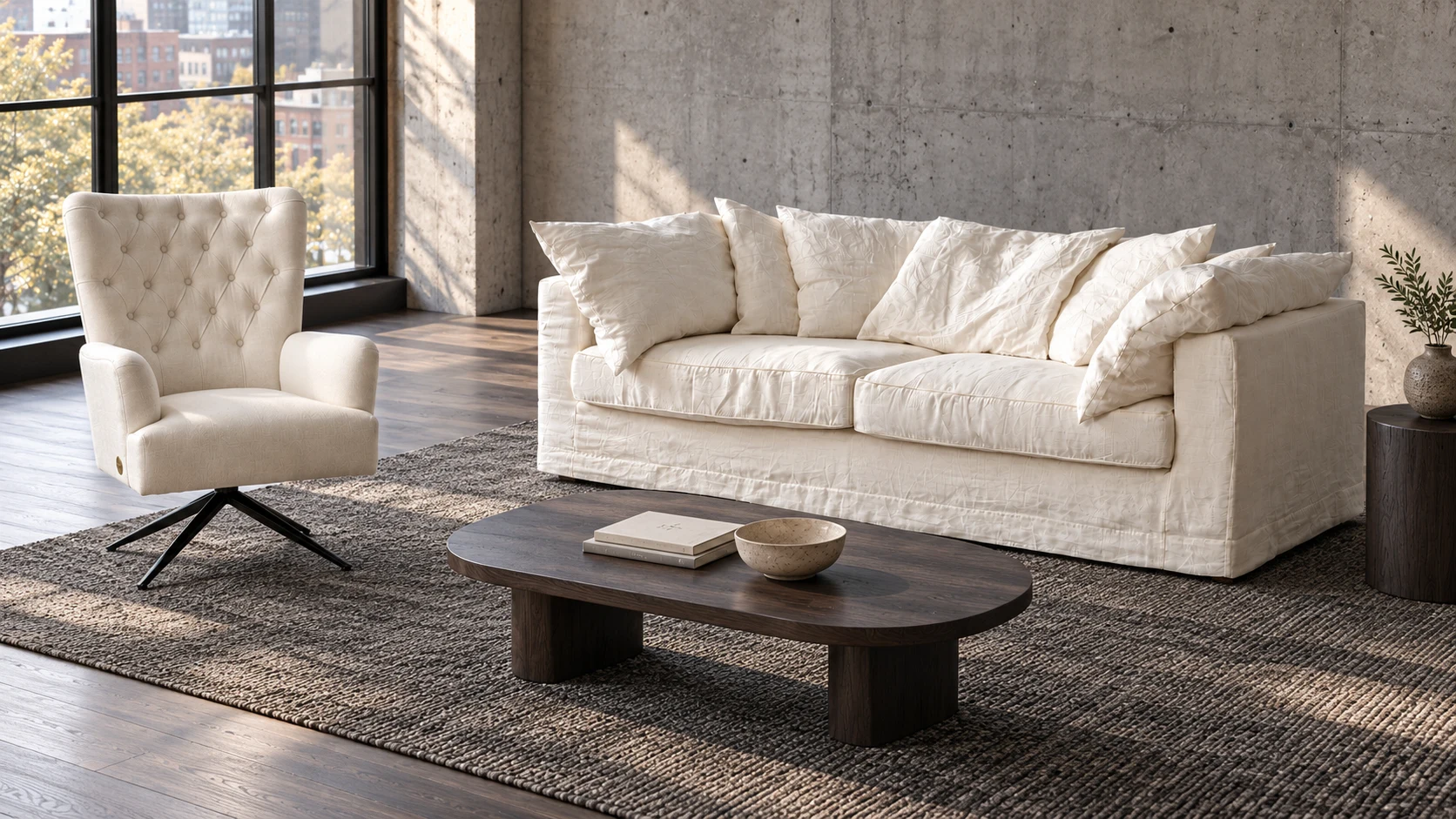
  • Earlier tables changed finish, but kept their shape.
  • Research construction for each setting.
  • Replace table geometry, rugs and objects; protect the sofa and chair.
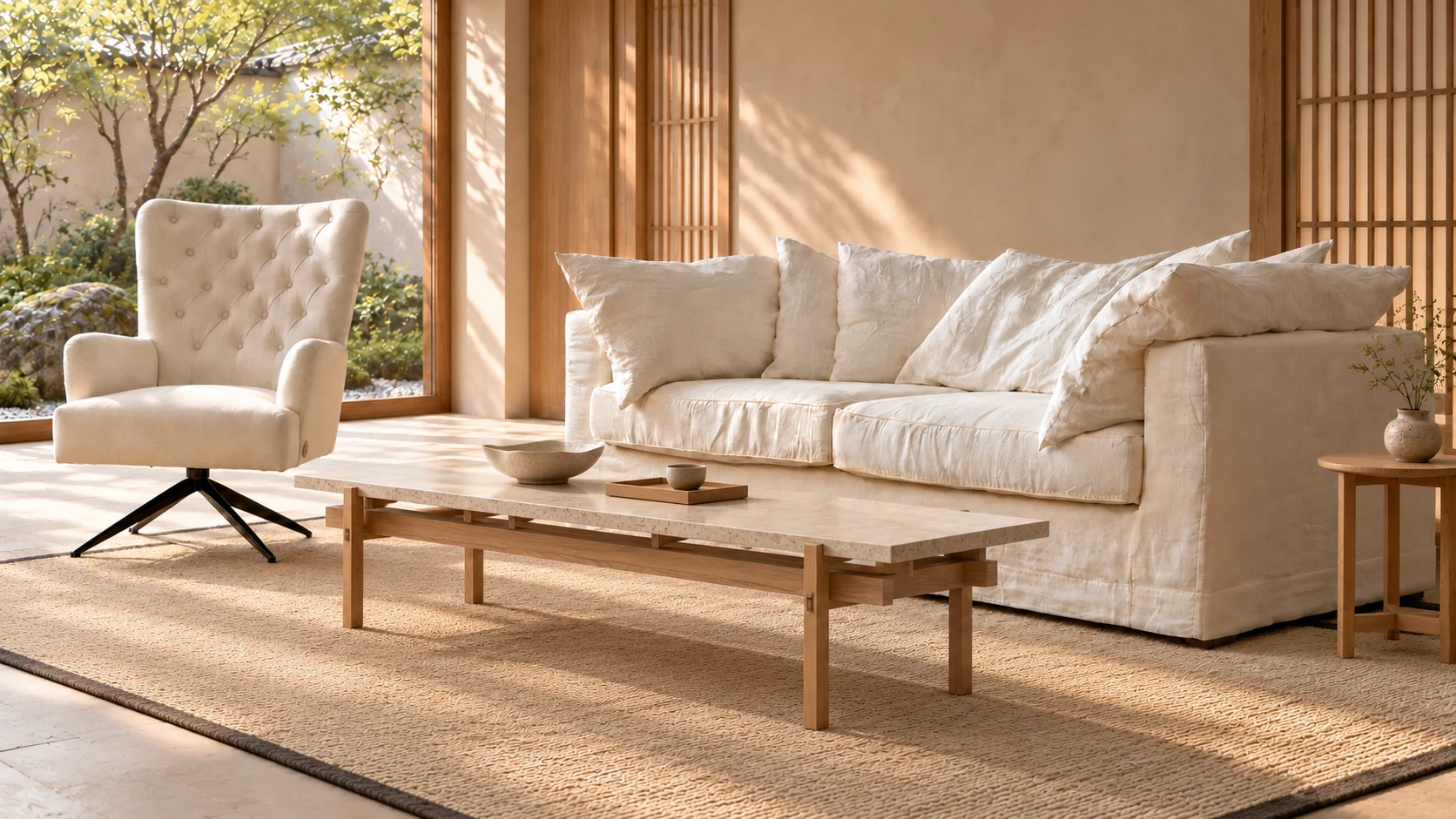
05.1 / SELECTED OUTPUT

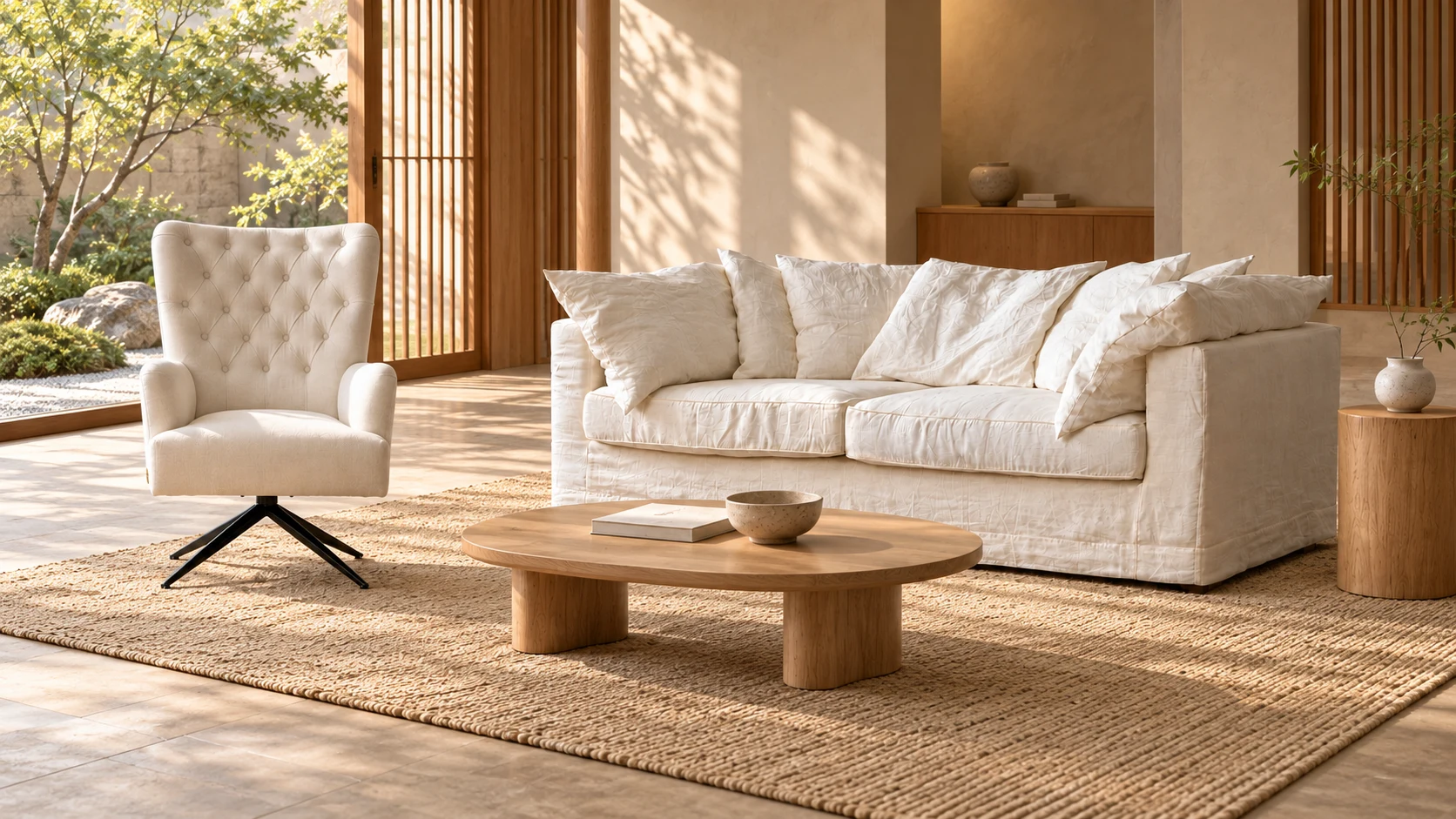
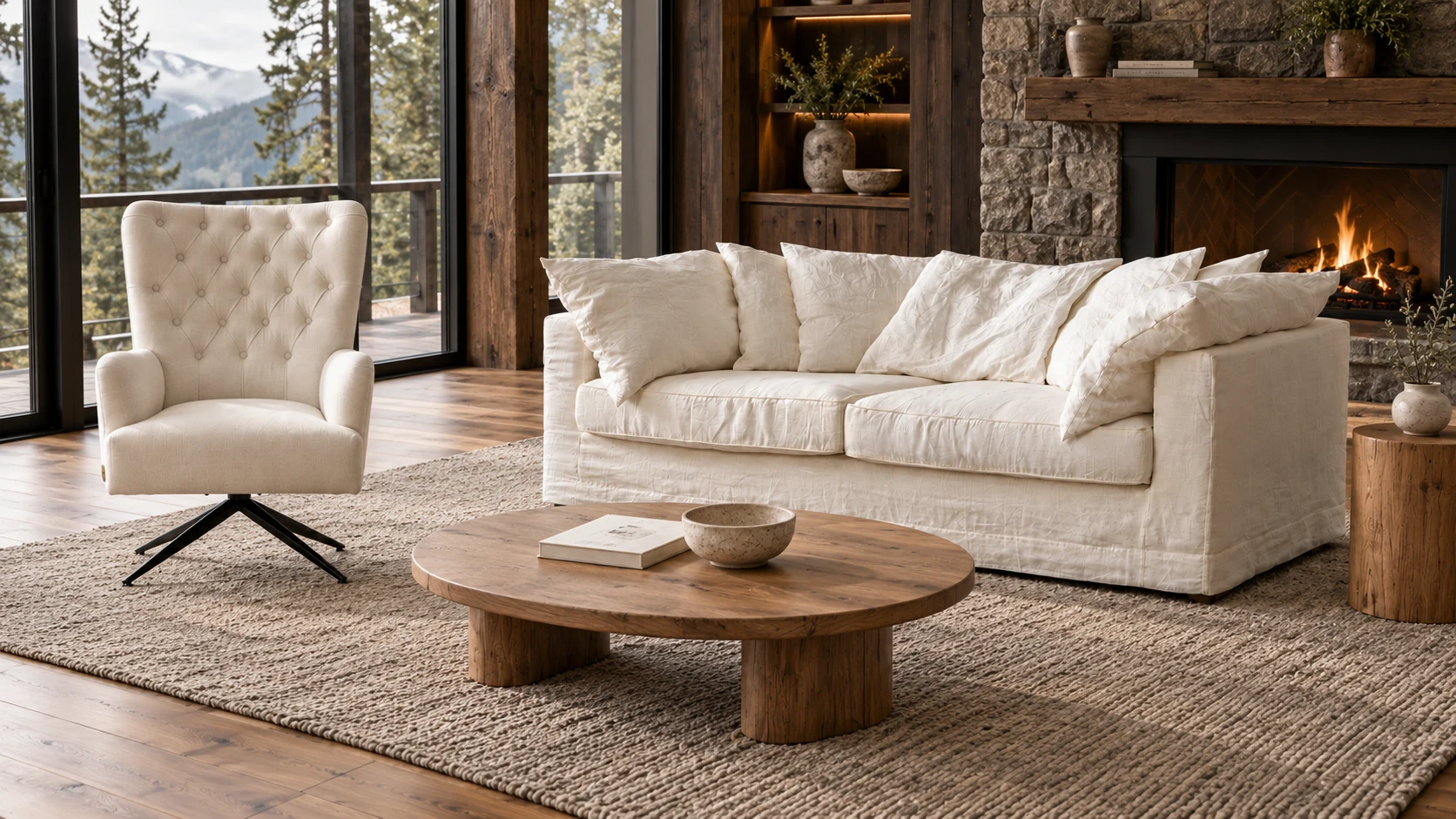
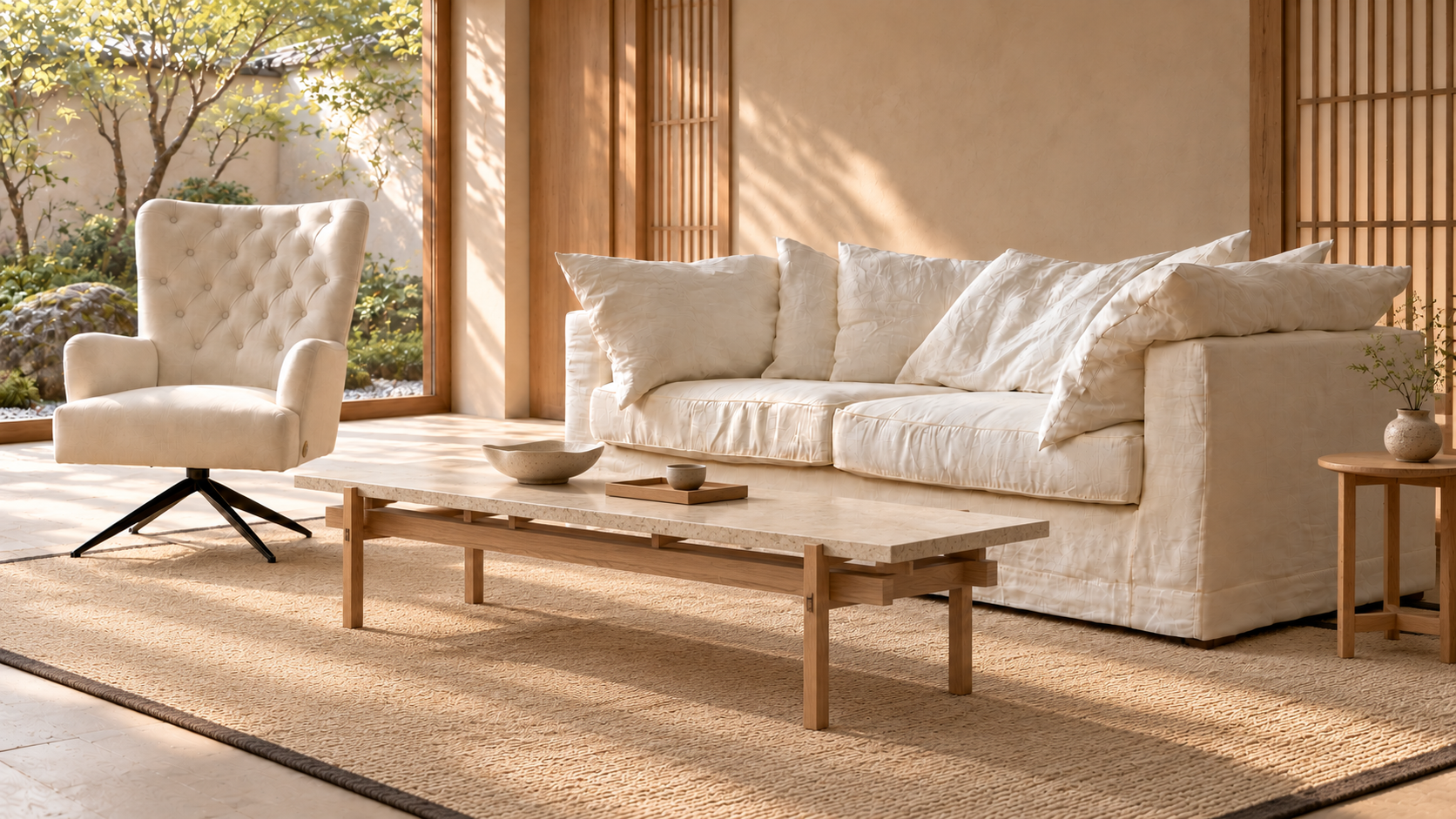
Japanese-inspired retreat

FRONT-RIGHT VIEW
After: Japanese retreat · supporting set After
Before: Japanese retreat · supporting set Before
Japanese retreat · supporting setDifferent iterations and viewpoints. Drag ↔ or use arrow keys
  • Stone top & exposed timber joinery
  • Flatwoven rug & quiet ceramics
Research reference +
Karimoku Case / N–CT01 · Norm Architects

Reference → decision

  • Spaced timber structure + stone top.
  • Open joinery replaces the solid pedestal form.
Karimoku Case / N–CT01 ↗
05.2 / SELECTED OUTPUT

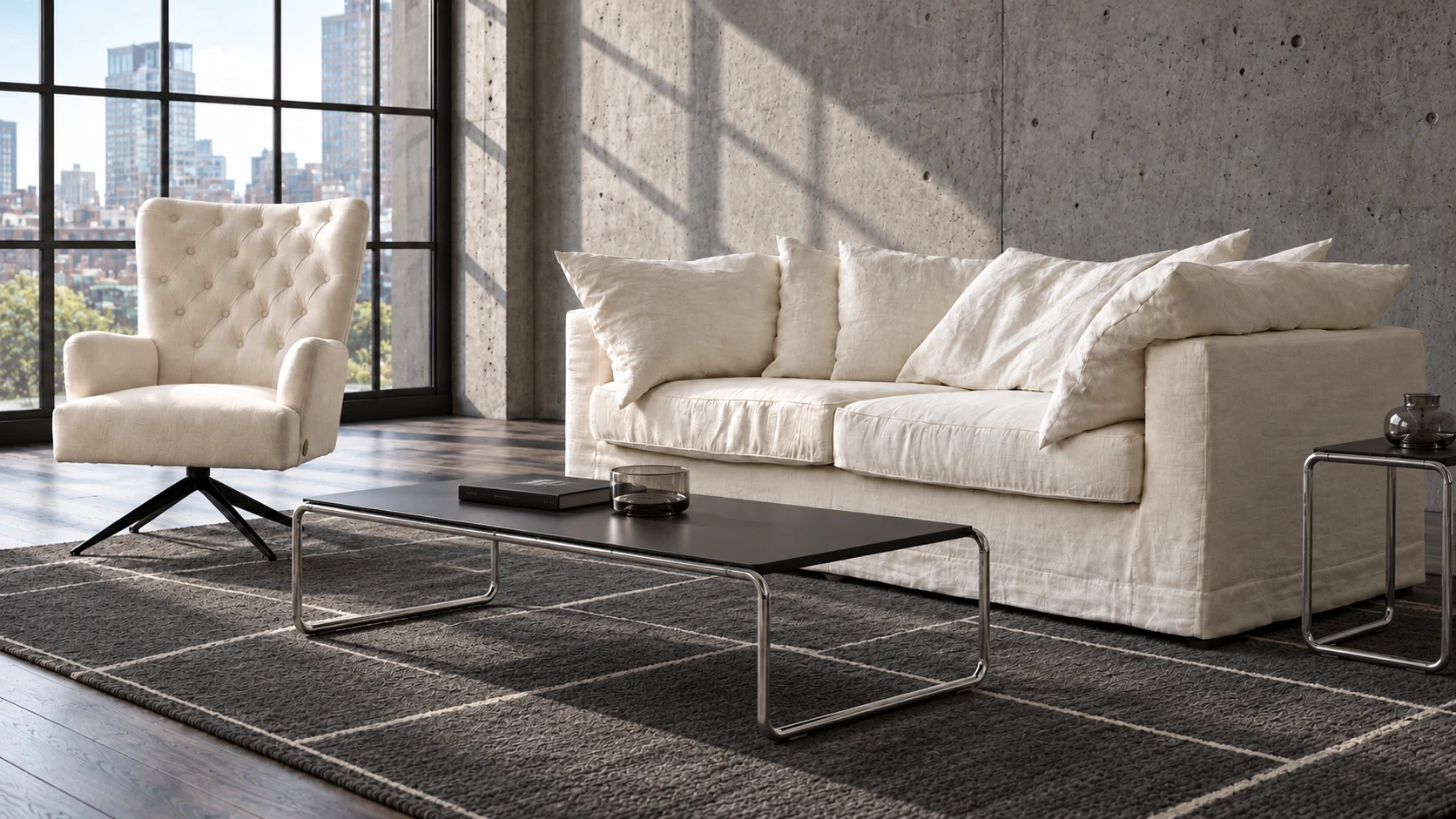
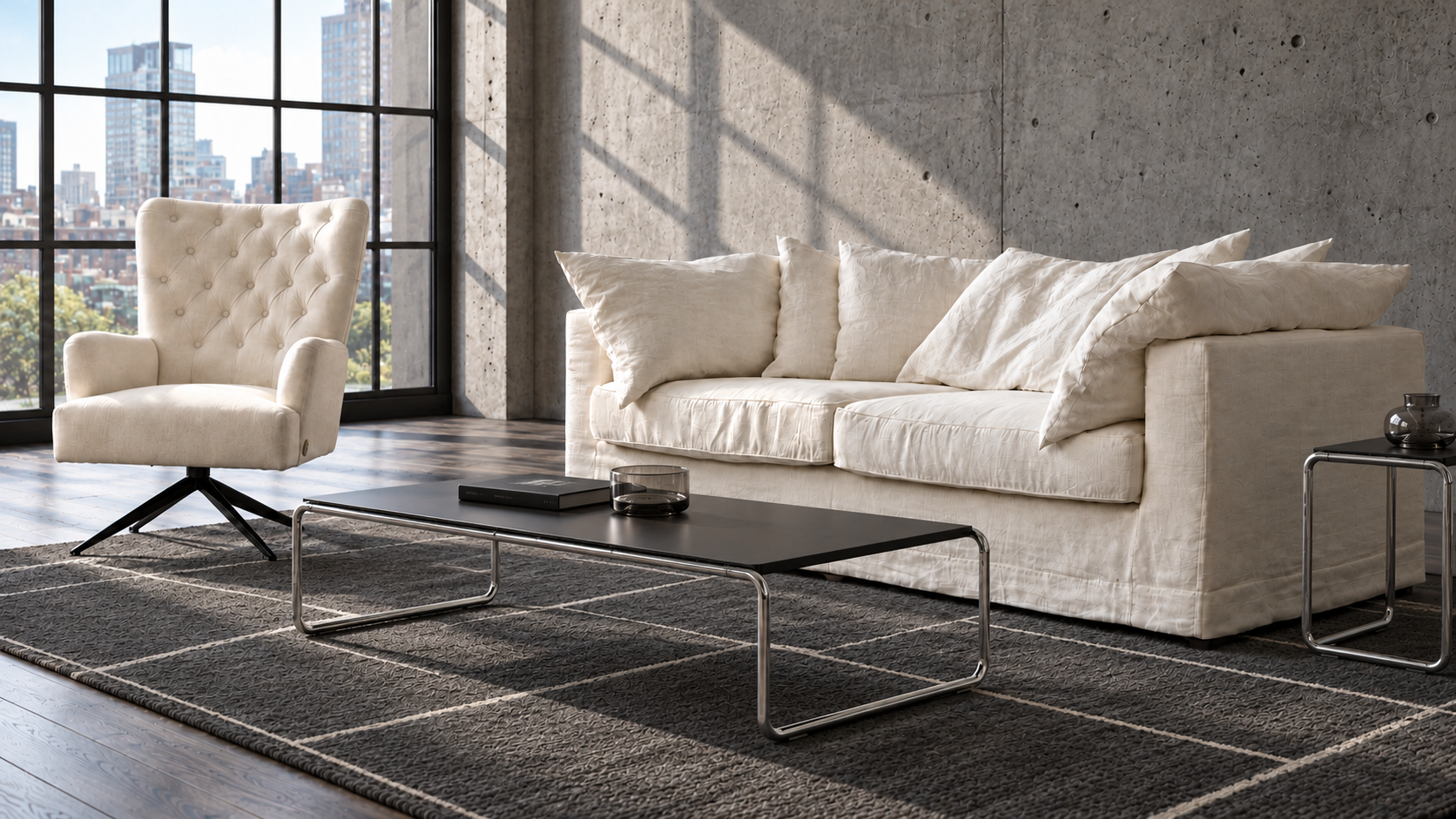
Urban loft

FRONT-RIGHT VIEW
After: Urban loft · supporting set After
Before: Urban loft · supporting set Before
Urban loft · supporting setDifferent iterations and viewpoints. Drag ↔ or use arrow keys
  • Rectangular top & tubular-steel frames
  • Geometric rug & glass objects
Research reference +
Knoll / Laccio · Marcel Breuer

Reference → decision

  • Thin rectangular top + tubular frame.
  • A lighter steel structure replaces the oval table.
Knoll / Laccio ↗
05.3 / SELECTED OUTPUT

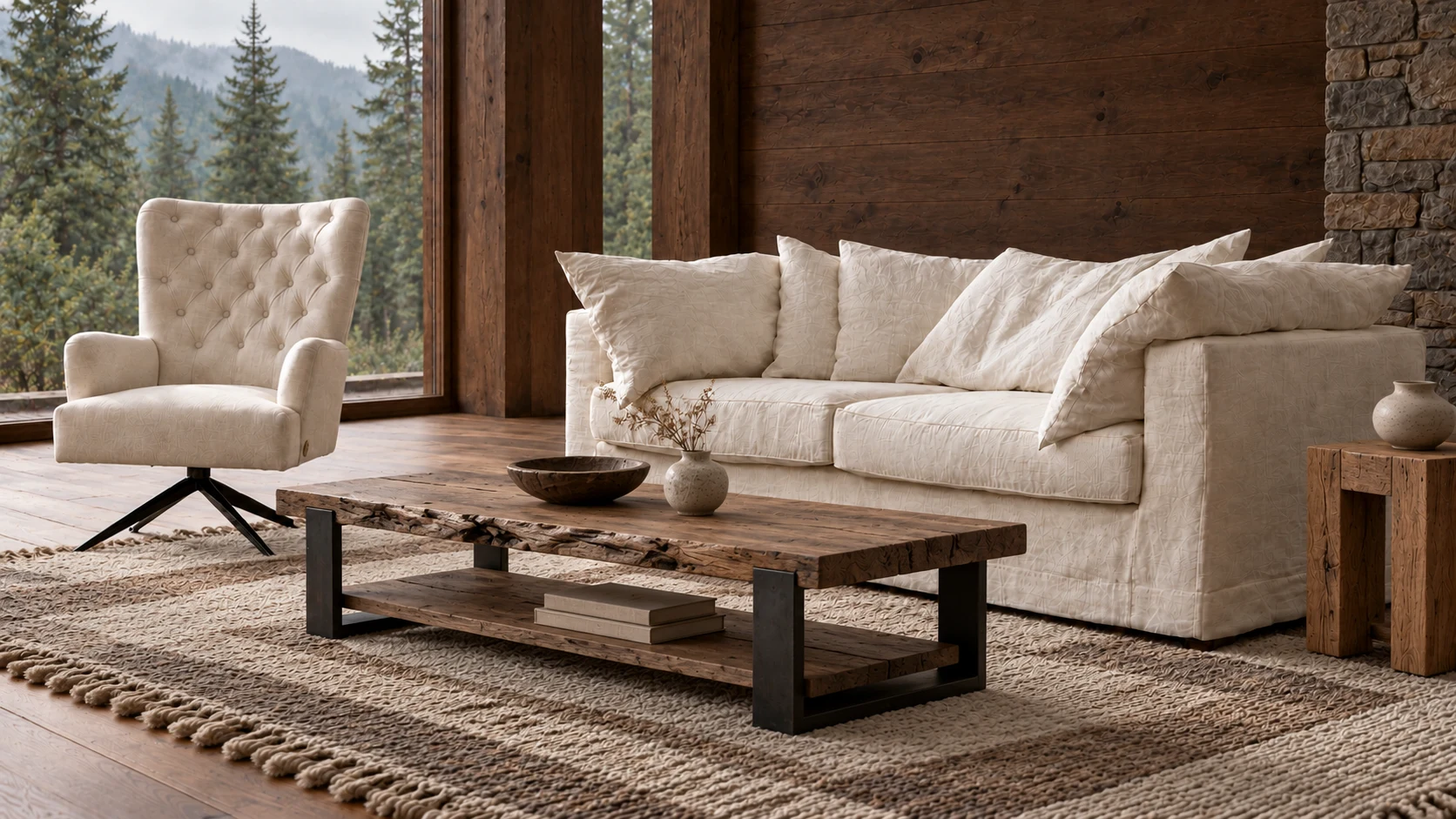
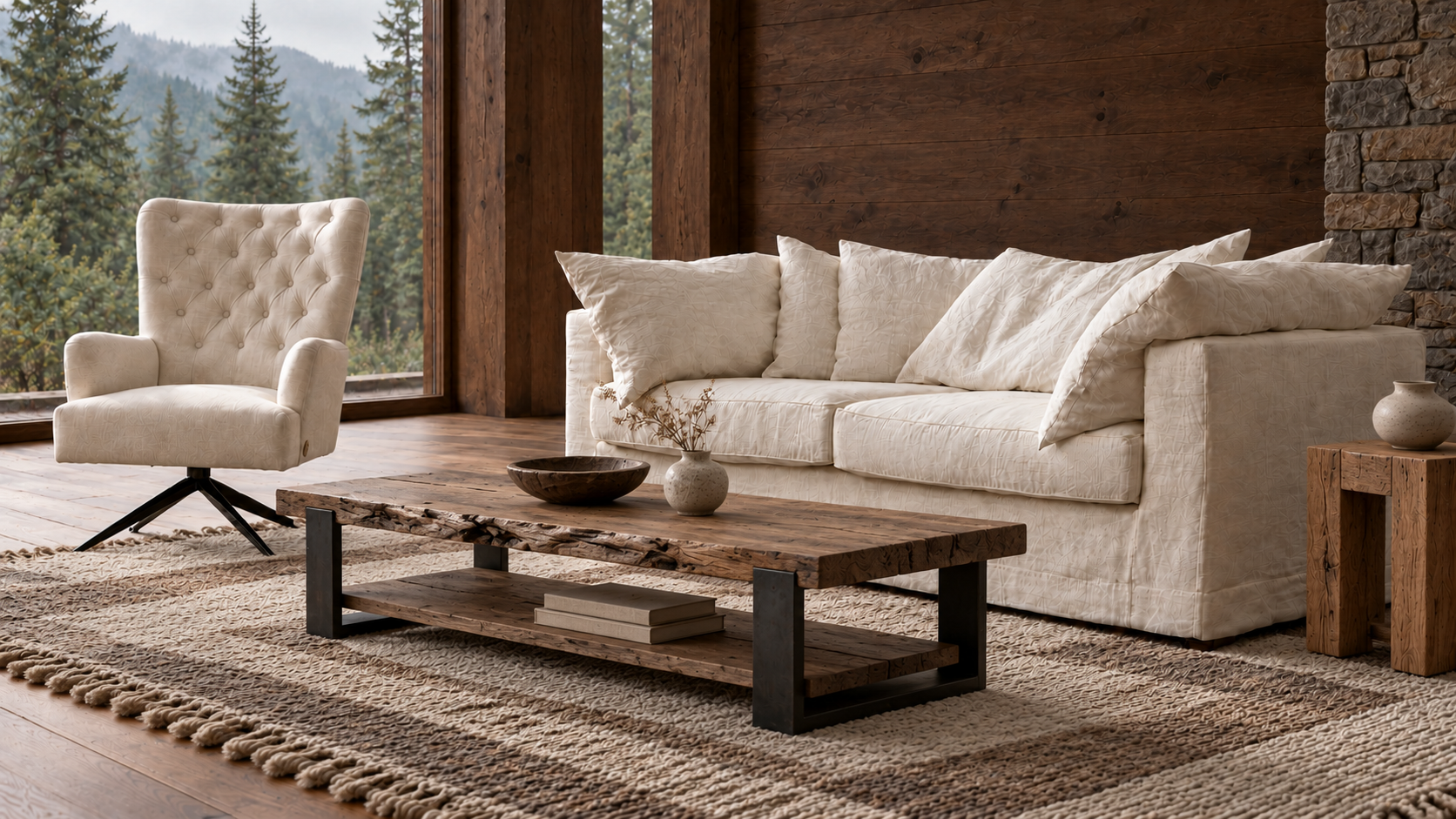
Modern mountain cabin

FRONT-RIGHT VIEW
After: Mountain cabin · supporting set After
Before: Mountain cabin · supporting set Before
Mountain cabin · supporting setDifferent iterations and viewpoints. Drag ↔ or use arrow keys
  • Live-edge slab & open steel frame
  • Fringed wool rug & carved wood
Research reference +
WRITTEN RESEARCH

Reclaimed wood + oxidized steel

Arhaus / Acacius · written material reference

Reference → decision

  • Reclaimed wood + oxidized steel material reference.
  • Live edge and shelf are generated interpretations.
Arhaus / Acacius ↗
06 / SELECTED DELIVERABLES

Selected study outputs

Japanese-inspired retreatQuiet editorial setting · PNG · 1672 × 941 px
Download original PNG ↓
Urban loftGraphic urban setting · PNG · 1672 × 941 px
Download original PNG ↓
Modern mountain cabinTextural mountain setting · PNG · 1672 × 941 px
Download original PNG ↓

Original PNGs · 1672 × 941 px · no upscaling

Download the three-image set + credits ↓
06.1

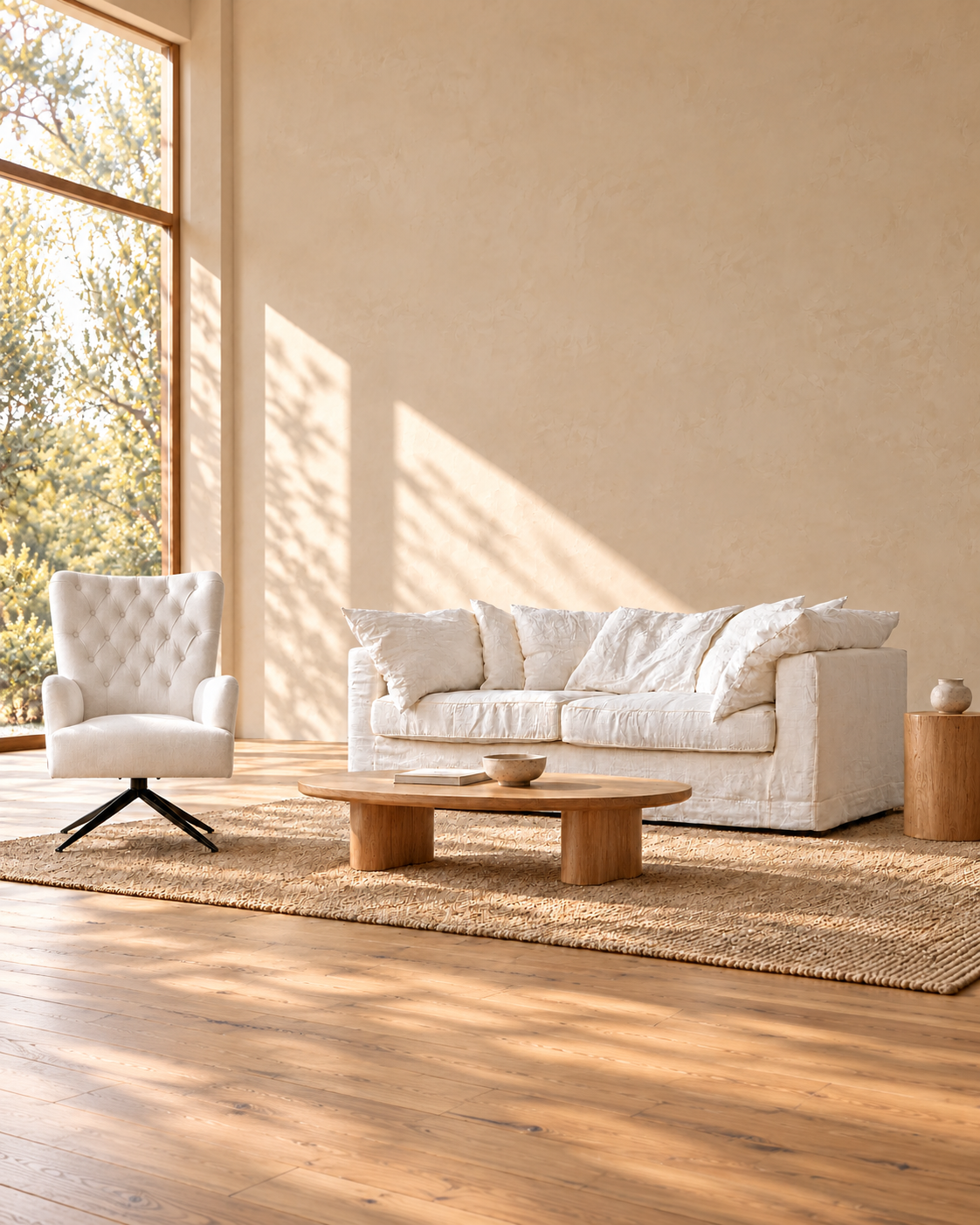
Adapt the composition.

LANDSCAPE → PORTRAIT
LANDSCAPE / AI REFINED1672 × 941 px
PORTRAIT ADAPTATION 1122 × 1402 px · 4:5 portrait · Download PNG ↓
  • Extend the room vertically to keep both products visible.
  • Leave quiet wall space for editorial copy.
  • Portrait QA: verify construction against the source and landscape image before release.
07 / REPEATABLE TEAM WORKFLOW

Reference. Edit. Validate.

Reference formula & input map +

Evidence key: IDs below map to the actual files shown in this portfolio. The historical per-generation attachment order was not retained; the recipes are a reproducible reconstruction, not an exact run transcript.

StageReference recipePurpose
02 / Sofa renderSofa-2 + Sofa-1 + Sofa-6Main form + front structure + fabric/piping detail.
04 / Integrationsolo.webp + Sofa-2 + Chair-1 + Chair-2Scene anchor + separate product construction references.
04.1 / Chair rotationchair-before.webp + Chair-2Keep scene fixed; use the front-view source for chair pose.
04.2 / Rug placementrug-before.webp + pose-approved sceneRestore base contacts without another chair rotation.
04.4 / Colour edithero.webp + Sofa-6 + Chair-2Scene to edit + material checks. Scene input is evidenced by the displayed pair; added checks form part of this recipe.
04.5 / Chair refinementhero-finished.webp + Chair-2Target tufting and outline; output: hero-refined.webp.
05 / EnvironmentsSame approved camera reference + Sofa-2 + Chair-1 + Chair-2 + one environment boardReattach the same camera/product inputs for each setting; change supporting forms and architecture.

ID convention: Sofa-2 = assets/sofa-2.webp; chair IDs follow the same naming rule. Keep original source files alongside these display copies.

Reusable environment prompt +

Tool: ChatGPT Images, image edit. This template consolidates the camera-lock, product-lock and supporting-furniture instructions used in the study; it is not a verbatim historical prompt.

INPUTS
1. CAMERA MASTER: [approved image for this exact view]
2. PRODUCT REFERENCES: Sofa-2 + Chair-1 + Chair-2
3. DETAIL REFERENCES: [Sofa-6 / other visible construction details]
4. ENVIRONMENT BOARD: [one of the three researched settings]

TASK
Edit the camera master into [ENVIRONMENT]. Change the architecture,
rug, tables and accessories to follow the environment board.
Change supporting furniture construction, not only surface materials.

PRODUCT LOCK
Preserve sofa and chair position, rotation, scale and proportions.
Retain the sofa's two seat cushions, centre split, arms, skirt and seams.
Retain chair tufting, button layout, arms, upholstery and four-spoke base.
Do not transfer details between products or invent hidden construction.

CAMERA LOCK
Keep the master perspective, camera height, field of view, framing,
horizon and product overlap. Do not move the camera or rotate products.
Keep the chair fixed in room coordinates, not facing each new camera.

LIGHT LOCK
Keep the master light direction, softness, exposure and white balance.
Adapt architecture around that light; do not invent conflicting shadows.
Preserve neutral off-white fabric with believable local reflected colour.

OUTPUT
Same aspect ratio as master. Photorealistic image, no text or new products.
Reject camera/product drift; correct one local issue per subsequent edit.
  • Japanese retreat: stone top, exposed timber joinery, open-frame side table.
  • Urban loft: thin rectangular tops, tubular-steel frames, geometric rug.
  • Mountain cabin: live-edge wood slab, open steel frame, thick fringed rug.

Lighting scope: lock light for a controlled comparison; any intentionally different lighting becomes a separate documented experiment. Similar displayed views do not establish exact camera calibration.

Five-point pre-flight QA checklist +
  1. Cushion count: two seat cushions, centre division and source back-cushion arrangement; no extra cushions or shifted proportions.
  2. Piping and seams: trace visible paths against the source; inspect discontinuities, arm edges and skirt at 100%.
  3. Tufting grid: compare visible button count, spacing and diamond pattern in perspective; check the chair outline separately.
  4. Base spoke contact: preserve four-spoke construction; allow natural occlusion; verify junction, rug placement, floor contact and shadows.
  5. Highlight white balance: compare fabric highlights with source off-white; retain plausible reflected colour and weave without clipping.

Decision: record Pass / Revise / Reject for each check. Release only after all five pass; unobservable source details remain unverified. This checklist defines acceptance criteria, not a completed sign-off.
Run record & handoff +
  • Record: run ID, date, platform/model shown in the UI, ordered reference filenames and exact submitted prompt.
  • Preserve: original sources, camera master, untouched output, correction prompts and selected version.
  • Handoff: selected output, export dimensions/profile, five QA decisions, reviewer and approval date.
  • Tool boundary: AI edits shown here use ChatGPT Images; no Nano Banana work is attributed to this project.
Enlarged portfolio evidence